Cut, Altered, Gone: How Streaming Platforms Are Quietly Rewriting the Films You Think You Know
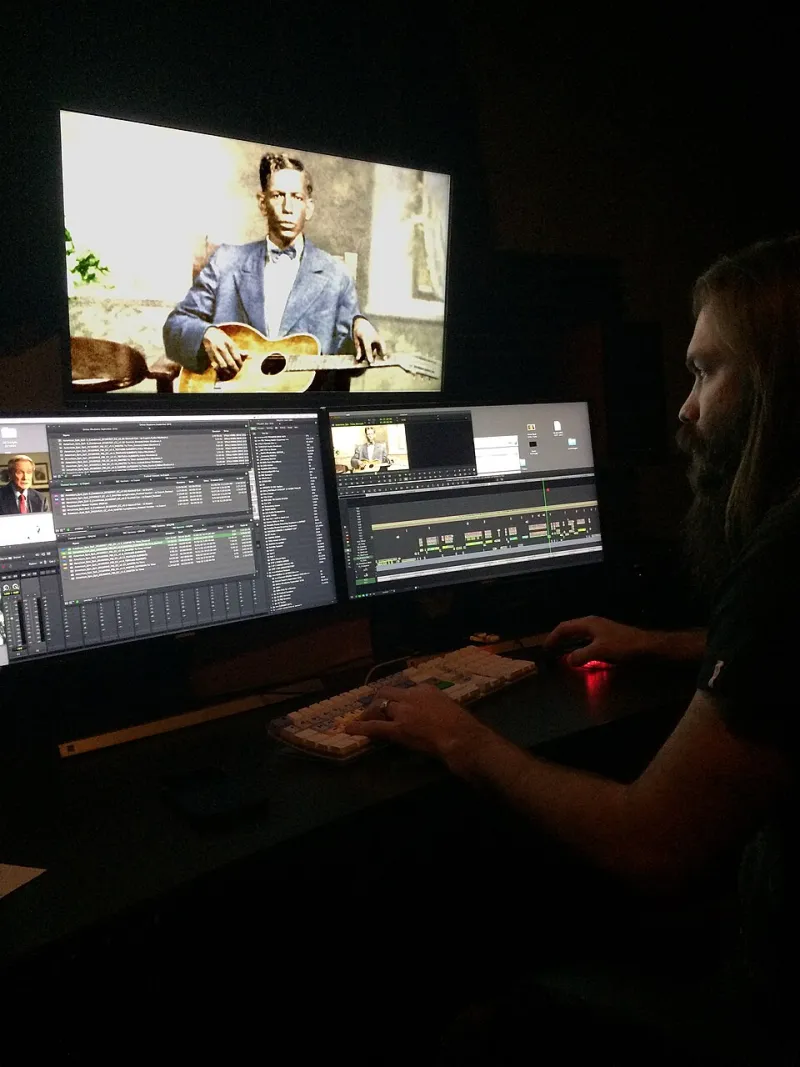
Photo: Pen vs Sword, CC BY-SA 4.0, via Wikimedia Commons
There's a version of a movie you watched last year. And then there's the version that exists on your streaming platform right now. Chances are, they're not the same film.
It sounds like a conspiracy theory, but it's quietly becoming one of the most pressing issues in American cinema. Streaming services — the same platforms that promised to democratize access to great movies — are re-editing, trimming, and altering films after they've already been released. Sometimes without telling anyone. Sometimes without telling the directors themselves.
The Invisible Edit
Most moviegoers have no idea this is happening, and that's kind of the point. When a studio shaves four minutes off a film to improve its "completion rate" metrics, they don't send out a press release. There's no pop-up notification that reads: Hey, we cut the scene the director spent three months fighting for. Enjoy!
The changes often show up in quiet ways. A scene feels like it ends abruptly. A subplot that reviewers mentioned seems to have vanished. A character's arc feels oddly truncated. You might chalk it up to misremembering. But filmmakers who've lived and breathed these projects know exactly what's missing — and some of them are starting to speak out.
One of the more documented cases involves the treatment of international films licensed for American streaming audiences. Films originally released at festival length — sometimes running over two hours — have been shortened by streaming licensors without director approval, often citing audience retention data as justification. The logic is coldly algorithmic: viewers who abandon a film at the 45-minute mark generate worse engagement metrics than viewers who finish a 90-minute version. So the 90-minute version gets made. Quietly. Without credits or acknowledgment.
Business Logic vs. Artistic Integrity
To understand why this keeps happening, you have to understand the incentive structure driving streaming platforms. These aren't movie studios in the traditional sense — they're data companies that happen to distribute films. Their north star isn't artistic legacy; it's watch time, subscriber retention, and content efficiency.
A platform paying licensing fees for a three-hour drama has a financial interest in making sure people actually finish watching it. Completion rates affect algorithmic placement, which affects discoverability, which affects whether the platform renews licensing deals or greenlights similar projects. In that ecosystem, a director's creative vision becomes, at best, a secondary consideration.
This isn't entirely new territory. Hollywood studios have been clashing with directors over final cut since the days of silent film. But there's something uniquely insidious about the streaming-era version of this conflict. When a studio demanded changes to a theatrical release, there was at least a public record — the film existed in theaters, critics saw it, audiences debated it. The director's original intention was documented, even if the studio override was frustrating.
When a streaming platform silently re-edits a film that most people will only ever see on that platform, the original can effectively disappear. There's no theatrical print in a vault somewhere. There's no bootleg DVD with the "uncut" version. There's just the algorithm's preferred edit, served up on your TV.
Filmmakers Losing Control
Directors and editors who've dealt with post-release alterations describe it as a particular kind of helplessness. You've already made the film. It premiered, it got reviewed, maybe it won awards. And then, months later, you discover the version people are now watching has been quietly modified — and there's often nothing in your contract that prevents it.
The legal landscape here is murky. "Final cut" clauses, long a coveted protection for established directors, typically govern theatrical releases. Streaming rights agreements are newer territory, and the fine print doesn't always extend those same protections to what happens after a film lands on a platform. Some filmmakers have discovered this the hard way.
There have also been cases where content has been altered for international streaming markets — scenes involving certain political content, LGBTQ+ characters, or culturally specific references quietly removed for specific regional audiences. Sometimes those altered versions end up being the only ones available, even in markets where the original content would have been perfectly acceptable.
What Gets Lost
The artistic stakes here are real. Film isn't just entertainment — it's a cultural record. The movies we make and preserve tell future generations something true about who we were, what we feared, what we loved, what we argued about. When those films get quietly re-edited to optimize engagement metrics, we're not just losing a few minutes of screen time. We're losing historical and artistic context.
Think about how much critical and cultural conversation has been built around specific scenes, specific choices, specific moments in American cinema. The ending of The Graduate. The baptism sequence in The Godfather. The final shot of Brokeback Mountain. These aren't just memorable moments — they're the precise artistic decisions that give those films their meaning. Now imagine discovering that one of them had been quietly trimmed because test audiences found the pacing slow.
The Fight for Preservation
Some filmmakers and film preservationists are pushing back. Organizations like the Directors Guild of America have increasingly flagged streaming modifications as a contractual and ethical concern. A growing number of directors are negotiating more explicit protections into their streaming deals, and some are going public when those protections fail.
There's also a broader conversation emerging about what film preservation even means in the streaming age. For most of cinema history, preservation meant protecting physical media — keeping nitrate prints from deteriorating, restoring damaged negatives. In 2025, preservation increasingly means fighting to ensure that a definitive, authorized version of a film actually exists somewhere that audiences can access.
Streaming platforms have done extraordinary things for film culture — putting thousands of titles in front of audiences who'd never have found them otherwise. But the power they hold over how those films are experienced comes with a responsibility they haven't always been willing to acknowledge.
The director's cut used to be a bonus feature, an extra treat for devoted fans who wanted to go deeper. Now, increasingly, it's becoming the endangered version — the one that actually reflects what the filmmaker intended. And that should bother anyone who genuinely cares about movies.