More Than a Movie House: Why Your Neighborhood Indie Theater Might Be the Most Important Place in Town
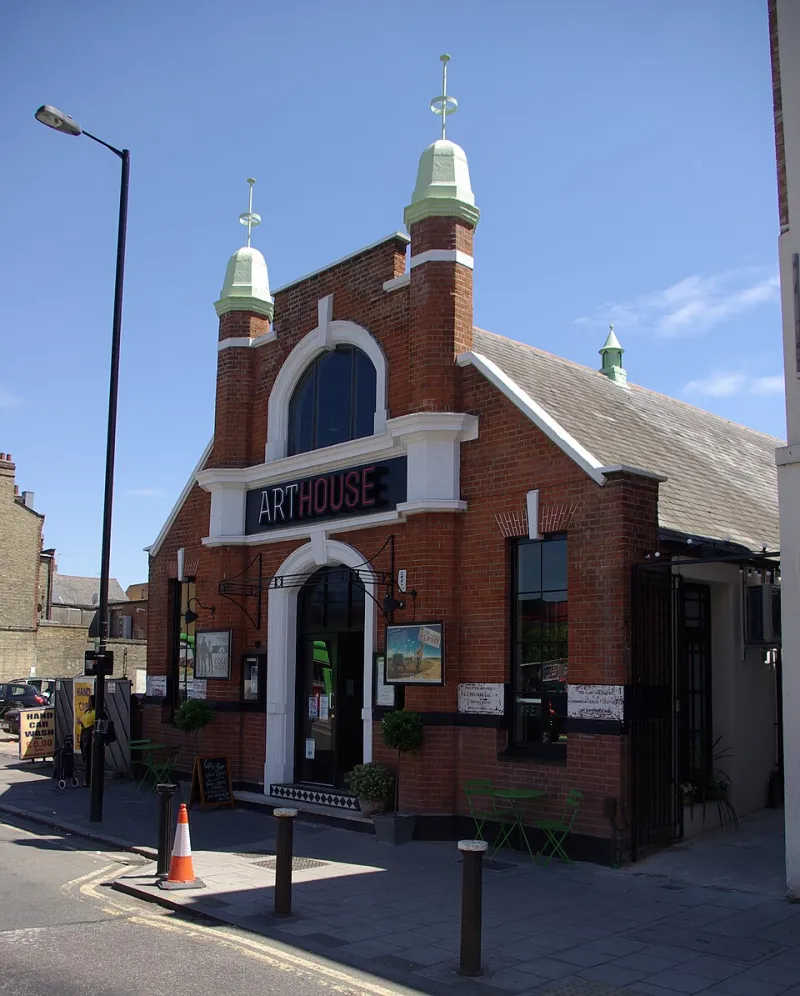
Photo: N19±, CC BY-SA 3.0, via Wikimedia Commons
The Multiplex Isn't the Whole Story
Pull up any major streaming platform on a Friday night and you've got thousands of titles at your fingertips. So why are people lining up — sometimes around the block — to sit in a slightly creaky seat at a 200-person indie theater in their neighborhood? The answer, it turns out, has very little to do with the movie itself.
Across the US, a quiet but genuinely exciting shift is happening in how communities relate to cinema. Independent and community-run theaters, once written off as casualties of the Netflix era, are not just surviving — they're thriving. And they're doing it by becoming something far more interesting than a place to watch films.
From Screening Room to Community Living Room
Take the Alamo Drafthouse's grassroots origins, or the beloved single-screen gems tucked into small cities from Bozeman, Montana to Asheville, North Carolina. These venues have figured out something the big chains never quite cracked: people don't just want to see a movie. They want to be somewhere together.
The programming at many of these spots reads less like a film schedule and more like a community calendar. There are midnight cult screenings with costume contests, documentary showcases followed by panel discussions with local activists, and "cinema and conversation" nights where the film is almost secondary to the post-credits debate over drinks.
One theater owner in Portland, Oregon described it this way: "We stopped thinking of ourselves as a movie theater years ago. We're a gathering space that happens to have a really great screen."
That reframe is doing a lot of heavy lifting. When a venue curates its programming around the specific interests, history, and values of its neighborhood, something shifts. Regulars stop being customers and start feeling like members.
The Streaming Paradox
Here's the thing nobody really talks about when they wring their hands over the death of cinema: streaming didn't kill the desire to go out — it just raised the bar for why people bother. If you can watch a film in 4K on your couch in your pajamas, the in-person experience has to offer something your living room can't.
Independent theaters have answered that challenge in ways the big multiplexes simply aren't built for. A 14-screen AMC is optimized for throughput — get people in, sell them popcorn, cycle them out. An indie theater with 150 seats can afford to be weird, specific, and deeply intentional.
That intentionality shows up everywhere: in hand-selected double features that speak to each other thematically, in filmmaker Q&As that turn a Tuesday night into a genuine creative exchange, in the fact that the person behind the counter might actually want to talk to you about why they programmed Jeanne Dielman next to a new release from a debut director.
Filmmaker Q&As and the Return of the Real
One of the most compelling things happening at these venues is the revival of the filmmaker Q&A — and not just as a marketing tool. In cities with active film communities (think Austin, Chicago, Los Angeles, New York, but increasingly also Richmond, Denver, and Minneapolis), indie theaters are functioning as de facto creative incubators.
Local filmmakers get to screen their short films before a feature. Documentary subjects show up to answer hard questions from the audience. Writers and directors who wouldn't otherwise be accessible become, for one night, your neighbors.
Patrons who've attended these events often describe them as transformative in a way that passive streaming never is. There's an accountability to watching a film in the same room as the person who made it. It changes how you receive the work — and how you talk about it afterward.
What Makes a Theater Essential?
The theaters that are genuinely thriving right now seem to share a few things in common. First, they have a clear identity — you know what they stand for before you even check the schedule. Second, they treat their audiences as participants rather than consumers. Third, they've built real relationships with the communities around them, often through partnerships with local schools, arts organizations, and nonprofits.
There's also something to be said for the physical space itself. Many of these venues have invested in restoration and preservation, turning their buildings into destinations in their own right. A lovingly restored 1940s movie palace hits different than a generic black box. History has texture, and people feel it.
In neighborhoods where third places — spaces that aren't home or work where community actually forms — are disappearing, the indie theater is stepping into a real void. It's not just nostalgia. It's necessity.
The Bigger Picture
At CinateYEG, we spend a lot of time thinking about what it means to love cinema in an era when the definition of "going to the movies" is constantly shifting. And what we keep coming back to is this: the experience of watching something together, in the dark, with strangers who chose to be there for the same reason you did — that's irreplaceable.
The indie theaters getting this right aren't trying to compete with Netflix. They're doing something Netflix structurally cannot do: they're becoming part of the fabric of a place. They're hosting the conversations, the arguments, the unexpected moments of connection that happen when a story moves a room full of people at the same time.
That's not just good for cinema. It's good for us.
So next time you're debating between another scroll through your streaming queue and a night out at that small theater a few miles from your house — the one with the hand-painted marquee and the overly opinionated staff — consider giving the latter a shot. You might end up watching something that changes how you see your city. Or at least makes you want to talk about it for the rest of the week.